There are few destinations on Earth that feel as otherworldly as Iceland. With dramatic volcanic landscapes, towering waterfalls, black sand beaches, steaming geothermal lagoons, and glaciers that stretch for miles, Iceland offers travelers an experience unlike anywhere else. From the colorful streets of Reykjavík to remote natural wonders hidden deep in the countryside, the island continuously surprises visitors with its raw beauty and powerful natural energy.
Travelers arriving in Iceland quickly discover that every season reveals a different side of the country. Winter brings dancing northern lights and snowy adventures, while summer delivers nearly endless daylight and vibrant green landscapes. Whether someone seeks relaxation, photography, hiking, wildlife encounters, or thrilling road trips, Iceland delivers unforgettable memories at every turn.
Why Travelers Fall In Love With Iceland
Iceland is often described as nature’s playground. Massive glaciers sit beside active volcanoes, waterfalls thunder across ancient cliffs, and geothermal springs bubble beneath the earth’s surface. The country’s small population and untouched scenery create a peaceful atmosphere that feels far removed from crowded tourist destinations.
One of Iceland’s greatest appeals is how accessible its natural wonders are. Many of the country’s most famous attractions can be reached within a few hours from Reykjavík, making it easy for travelers to experience extraordinary landscapes even during short visits.
Top 10 Attractions in Iceland
1. The Blue Lagoon
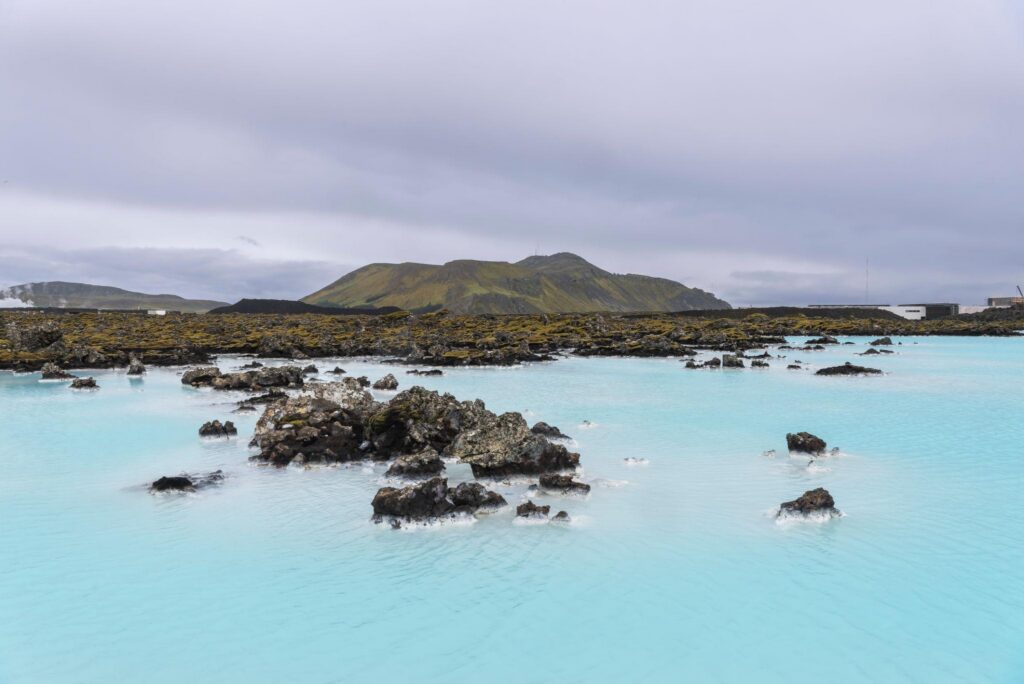
Perhaps Iceland’s most famous attraction, Blue Lagoon is a geothermal spa surrounded by lava fields and milky-blue mineral-rich waters. Travelers often visit immediately after landing because of its proximity to the international airport. The warm water, silica mud masks, and relaxing atmosphere make it one of the most iconic spa experiences in the world.
2. Golden Circle Route
The famous Golden Circle is one of Iceland’s most popular sightseeing routes. It includes three remarkable destinations: Þingvellir National Park, Geysir, and Gullfoss.
Visitors can walk between tectonic plates at Þingvellir, watch erupting geysers blast boiling water into the sky, and admire the immense power of Gullfoss waterfall cascading into a rugged canyon.
3. Reykjavik
The capital city of Iceland combines colorful architecture, Nordic culture, and a lively arts scene. Travelers enjoy exploring cozy cafés, museums, seafood restaurants, and the famous Hallgrímskirkja church, which towers over the city skyline.
Reykjavík also serves as the perfect base for day trips to Iceland’s surrounding natural attractions.
4. Jokulsarlon Glacier Lagoon
One of Iceland’s most breathtaking sights, Jökulsárlón features floating icebergs drifting across a serene lagoon. Nearby, chunks of ice wash ashore onto Diamond Beach, creating a stunning contrast against black volcanic sand.
Boat tours allow travelers to get closer to the floating ice formations and surrounding glaciers.
5. Northern Lights
Seeing the Aurora Borealis is a dream for many travelers visiting Iceland during winter. The dancing green lights illuminate the dark Arctic sky and create one of the most magical natural displays on Earth.
The best viewing opportunities typically occur between September and March away from city lights.
6. Black Sand Beaches Of Vik
The coastal village of Vík í Mýrdal is famous for dramatic black sand beaches, crashing Atlantic waves, and towering basalt rock formations. Reynisfjara Beach is especially popular with photographers because of its unique volcanic scenery.
Travelers are advised to respect warning signs because the powerful sneaker waves can be dangerous.
7. Skogafoss Waterfall
Among Iceland’s many waterfalls, Skógafoss stands out for its immense size and beauty. The waterfall drops dramatically from ancient sea cliffs, creating mist that often produces rainbows on sunny days.
A staircase beside the falls rewards adventurous travelers with panoramic views of the surrounding landscape.
8. Vatnajokull National Park
Nature lovers are drawn to Vatnajökull National Park, home to Europe’s largest glacier. Visitors can explore ice caves, hike across glacier fields, and witness volcanic landscapes shaped by centuries of geological activity.
The park offers endless opportunities for outdoor adventure and photography.
9. Snaefellsnes Peninsula
Often called “Iceland in Miniature,” Snaefellsnes Peninsula showcases many of the country’s diverse landscapes in one region. Travelers encounter lava fields, fishing villages, rugged coastlines, mountains, and glaciers all within a relatively small area.
The picturesque Kirkjufell mountain is one of the peninsula’s most photographed landmarks.
10. Ice Cave Adventures
During winter, Iceland’s glaciers reveal extraordinary blue ice caves that seem almost unreal. Guided tours take travelers safely inside these frozen formations, where sunlight reflects through layers of crystal-clear ice.
Ice cave exploration has become one of Iceland’s most sought-after seasonal adventures.
Best Time To Visit Iceland
Each season in Iceland offers unique experiences:
- Summer (June–August): Mild temperatures, green landscapes, puffin sightings, and midnight sun.
- Winter (November–March): Northern lights, snowy scenery, ice caves, and winter adventures.
- Spring and Fall: Fewer crowds and excellent photography opportunities.
Travelers hoping to drive the famous Ring Road often prefer summer due to longer daylight hours and easier road conditions.
Icelandic Food and Culture
Iceland’s culinary scene blends Nordic traditions with fresh local ingredients. Seafood plays a major role, with dishes featuring salmon, cod, lobster, and Arctic char. Travelers also enjoy tasting lamb dishes, rye bread baked using geothermal heat, and Icelandic skyr yogurt.
Culturally, Icelanders are known for their creativity, hospitality, and deep appreciation for nature. Literature, folklore, music, and storytelling remain important parts of Icelandic identity.
Final Thoughts
A journey through Iceland feels like stepping into another world. From glacier lagoons and volcanic beaches to geothermal spas and northern lights, the country offers endless opportunities for exploration and wonder. Every road reveals dramatic scenery, every season creates new adventures, and every traveler leaves with unforgettable memories.
For those seeking a destination filled with natural beauty, adventure, and serenity, Iceland remains one of the most extraordinary places on Earth.
Honeymoons and Destination Weddings in Iceland
For couples seeking a romantic escape unlike any other, Iceland has become an increasingly popular destination for honeymoons and intimate weddings. Newlyweds are drawn to the country’s dramatic scenery, luxurious geothermal spas, cozy countryside hotels, and unforgettable natural experiences. Couples can relax together in the warm waters of the Blue Lagoon, chase the northern lights beneath Arctic skies, or take scenic road trips past waterfalls, glaciers, and volcanic beaches. Iceland also offers breathtaking wedding settings, from black sand coastlines and glacier lagoons to charming churches and remote mountain landscapes. Whether planning a grand celebration or a secluded elopement, couples often find Iceland to be one of the world’s most magical and memorable romantic destinations.
PHOTO GALLERY