There is something effortlessly captivating about Lisbon. Draped across seven hills beside the shimmering Tagus River, Portugal’s capital blends old-world charm with modern creativity in a way few European cities can match. Travelers arriving in Lisbon quickly discover a destination where vintage yellow trams rattle through narrow cobblestone streets, soulful Fado music echoes from candlelit taverns, and dramatic viewpoints reveal terracotta rooftops stretching toward the Atlantic Ocean.
For visitors seeking culture, history, cuisine, and coastal beauty all in one destination, Lisbon offers an unforgettable experience. Every neighborhood tells a different story, from medieval alleyways in Alfama to elegant boulevards in Baixa and trendy cafés in Bairro Alto.
Why Travelers Fall In Love With Lisbon
Lisbon has a relaxed rhythm that encourages exploration without rushing. Mornings often begin with freshly baked pastéis de nata and espresso at a sidewalk café, while evenings end with seafood dinners overlooking the river. The city enjoys over 300 days of sunshine annually, making it ideal for nearly year-round travel.
Unlike many European capitals, Lisbon balances affordability with luxury experiences. Travelers can enjoy world-class cuisine, scenic tram rides, historic architecture, and ocean views without the overwhelming crowds found elsewhere.
Top 10 Attractions in Lisbon
1. Belem Tower
Standing proudly along the waterfront, Belém Tower is one of Lisbon’s most iconic landmarks. Built in the 16th century during Portugal’s Age of Discovery, the fortress once protected the city’s harbor and welcomed returning explorers.
Visitors admire its intricate Manueline architecture, climb narrow staircases for panoramic views, and imagine the voyages that once departed from these shores.
2. Jeronimos Monastery
Just steps away from Belém Tower lies the magnificent Jerónimos Monastery. This UNESCO World Heritage Site is considered one of the finest examples of Portuguese Gothic architecture.
Its grand cloisters, vaulted ceilings, and ornate carvings leave travelers speechless. The monastery also houses the tomb of famed explorer Vasco da Gama.
3. Alfama District
The oldest neighborhood in Lisbon feels like stepping into another era. Alfama’s maze-like streets wind past colorful homes, hidden courtyards, laundry-lined balconies, and intimate Fado restaurants.
Exploring Alfama on foot allows travelers to discover Lisbon’s authentic soul. Every turn reveals scenic overlooks, historic churches, and charming local cafés.
4. Tram 28
Few experiences are as quintessentially Lisbon as riding Tram 28. The historic yellow tram rattles through many of the city’s most famous neighborhoods, climbing steep hills and squeezing through impossibly narrow streets.
For travelers, the ride offers both transportation and sightseeing in one unforgettable journey.
5. Sao Jorge Castle
Perched high above the city, São Jorge Castle provides some of Lisbon’s most breathtaking panoramic views.
Originally built by the Moors, the castle has watched over the city for centuries. Visitors can walk ancient walls, explore archaeological remains, and photograph sweeping views of the Tagus River.
6. Praca do Comercio
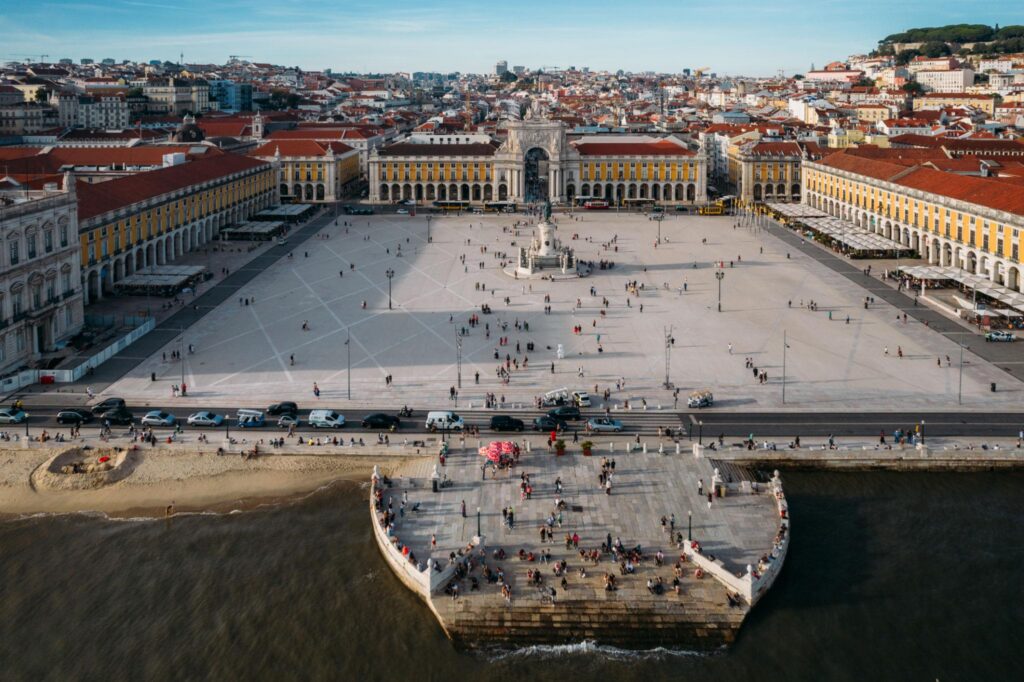
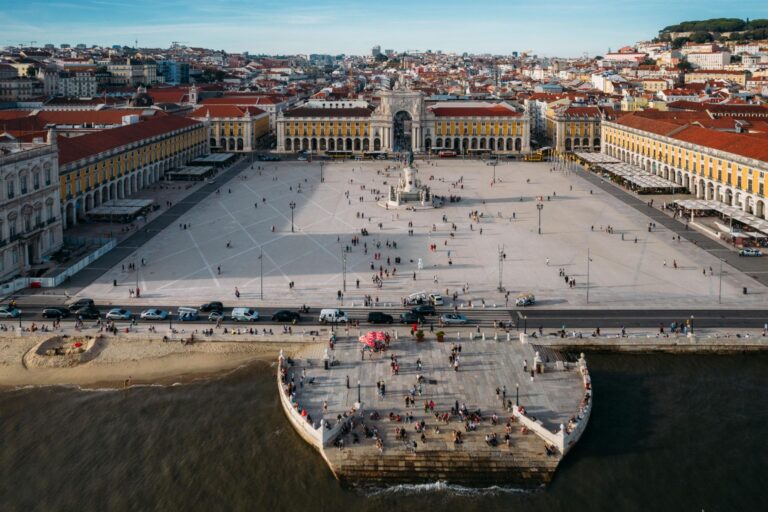
One of Europe’s grandest public squares, Praça do Comércio sits majestically beside the riverfront. Framed by elegant yellow buildings and a triumphal arch, the plaza serves as a vibrant gathering place for locals and tourists alike.
Street performers, cafés, and waterfront promenades create a lively atmosphere day and night.
7. Bairro Alto
When the sun sets, Bairro Alto comes alive. Known for its nightlife, live music venues, rooftop bars, and energetic atmosphere, the district attracts travelers seeking Lisbon’s social side.
By day, the neighborhood offers quiet streets filled with boutique shops, colorful street art, and hidden cafés.
8. LX Factory
For a modern contrast to Lisbon’s historic charm, travelers often head to LX Factory. This creative hub transformed an old industrial complex into a trendy destination filled with restaurants, bookstores, design studios, and art spaces.
Its vibrant murals and innovative energy showcase Lisbon’s contemporary culture.
9. Oceanario de Lisboa
Families and marine-life enthusiasts are drawn to Oceanário de Lisboa, one of Europe’s largest aquariums. Massive tanks filled with sharks, rays, penguins, and colorful fish create an immersive underwater experience.
The aquarium highlights Portugal’s deep connection to the sea.
10. Time Out Market Lisbon
Food lovers should not leave Lisbon without visiting Time Out Market Lisbon. This bustling culinary marketplace gathers some of the city’s best chefs and restaurants under one roof.
Travelers can sample fresh seafood, gourmet sandwiches, traditional Portuguese dishes, pastries, and local wines in a lively communal setting.
Best Foods To Try In Lisbon
Lisbon’s cuisine is deeply connected to the Atlantic Ocean and Portuguese traditions. Popular dishes include:
- Bacalhau (salt cod prepared countless ways)
- Grilled sardines
- Seafood rice
- Bifana pork sandwiches
- Pastéis de nata custard tarts
Dining in Lisbon often becomes one of the highlights of the journey itself.
Food and Culture in Lisbon
Food is an essential part of the travel experience in Lisbon, where centuries of maritime history and cultural influences have shaped a rich culinary tradition. Fresh seafood takes center stage on many menus, with dishes such as grilled sardines, octopus salad, seafood rice, and the beloved bacalhau (salt cod) prepared in countless ways. No visit is complete without sampling the city’s famous pastéis de nata, the creamy custard tarts that originated in the Belém district.
Beyond the cuisine, Lisbon’s culture is deeply rooted in music, art, and tradition. Travelers can experience the emotional sounds of Fado performances in historic taverns, admire colorful azulejo tilework decorating buildings throughout the city, and explore vibrant neighborhoods where old-world heritage blends seamlessly with modern creativity. Together, Lisbon’s food and culture create an authentic and unforgettable Portuguese experience that captivates visitors from around the world.
Best Time To Visit Lisbon
Spring and early autumn are considered ideal for visiting Lisbon. Warm temperatures, fewer crowds, and pleasant evenings make sightseeing especially enjoyable.
Summer brings vibrant festivals and beach weather, while winter offers mild temperatures compared to much of Europe.
Final Thoughts
Lisbon is a city that leaves a lasting impression long after the journey ends. Its blend of history, music, architecture, cuisine, and coastal scenery creates an atmosphere that feels both timeless and excitingly alive.
Whether travelers spend their days wandering ancient alleyways, watching sunsets from hilltop viewpoints, or savoring Portuguese cuisine beside the river, Lisbon rewards curiosity at every turn. For many visitors, the city becomes more than a destination — it becomes a place they long to return to again and again.
Honeymoons and Destination Weddings in Lisbon
With its golden sunsets, historic architecture, romantic viewpoints, and coastal elegance, Lisbon has become an increasingly popular destination for honeymoons and weddings. Couples are drawn to the city’s charming atmosphere, luxurious boutique hotels, scenic riverfront venues, and nearby Atlantic beaches. Romantic tram rides through Alfama, candlelit dinners featuring Portuguese wine and seafood, and sunset cruises along the Tagus River create unforgettable honeymoon experiences. Destination weddings in Lisbon often blend timeless European sophistication with relaxed seaside charm, making the city an ideal backdrop for intimate ceremonies and grand celebrations alike.
PHOTO GALLERY